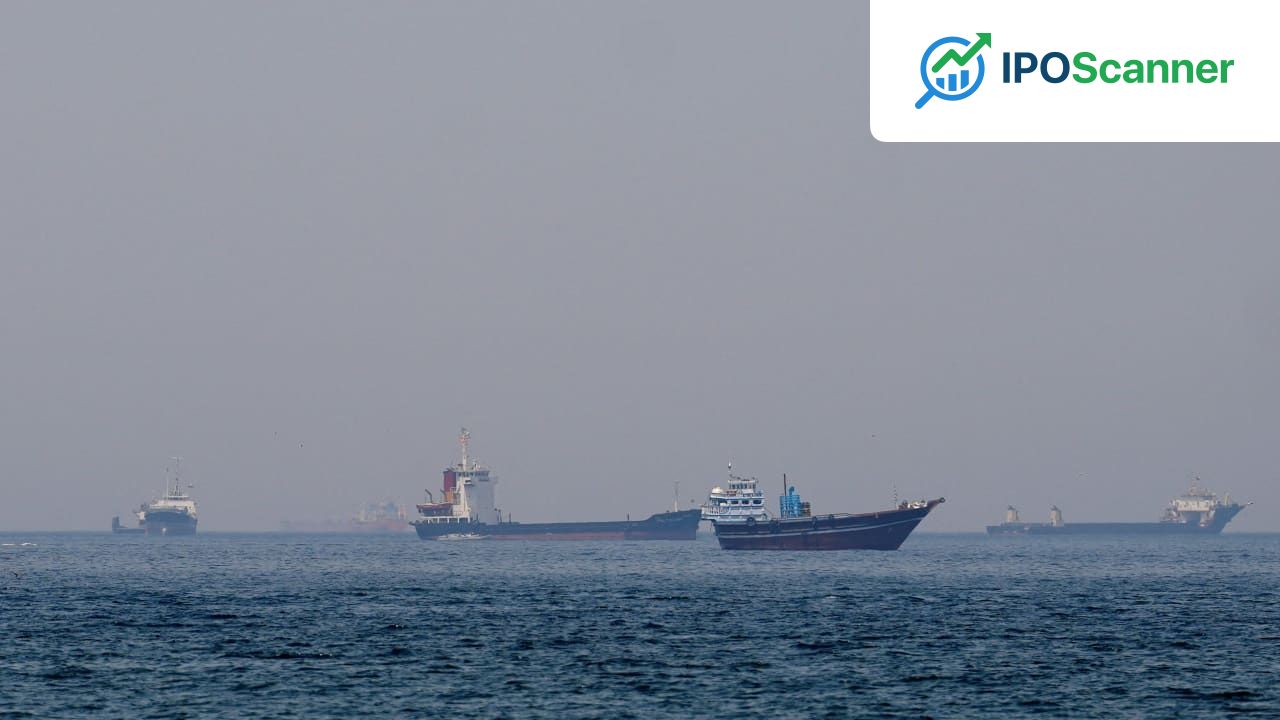
Middle East Crisis Disrupts Global Energy Supplies, Affecting Oil and Gas Markets Beyond Traditional Commodities
Global Oil Supply Disrupted by Ongoing West Asia Conflict
The ongoing West Asia conflict and disruptions to tanker movement through the Strait of Hormuz have removed more than 13 million barrels per day of oil exports from global markets, marking the largest supply disruption in history, according to the International Energy Agency (IEA). This significant shock has sharply tightened global supply chains, disrupted inventories, and raised fresh risks for major importers such as India, which remains heavily dependent on Gulf crude and gas flows.
The IEA reported that global oil supply plunged by 10.1 million barrels per day in March to 97 million barrels per day, as attacks on energy infrastructure in the Middle East and restrictions on tanker traffic through Hormuz hit both production and exports. Production from OPEC+ countries fell 9.4 million barrels per day month-on-month to 42.4 million barrels per day, while non-OPEC+ supply declined by 770,000 barrels per day to 54.7 million barrels per day.
The agency estimates cumulative supply losses of more than 360 million barrels in March, with another 440 million barrels projected in April. Global observed oil inventories fell by 85 million barrels in March, but the drawdown was concentrated outside the Middle East. Stocks outside the Gulf region dropped by a sharp 205 million barrels, equivalent to 6.6 million barrels per day, as flows through the Strait of Hormuz were choked off.
Read also: Peak Power Demand Hits 240 GW in April Amid Record High Temperatures
For India, the disruption is significant because a large share of crude oil, LNG, fertilisers, and petrochemical feedstock arrives through the Hormuz route. Any prolonged closure or restricted movement raises freight costs, insurance premiums, and delivery times, while increasing the risk of imported inflation.
The Strait of Hormuz is also critical for merchandise trade. Trade data from UNCTAD shows that several goods categories depend heavily on the route.
| Goods Category | Percentage of Trade Through Hormuz |
|---|---|
| Sulphur | 77% |
| Hydrocarbon derivatives | 57% |
| Nitrogen fertiliser | 29.2% |
| Aircraft engine parts | 25% |
| Steel structures | 20% |
| Chemicals | 18% |
| Plastics | 15% |
| Aluminium sheets and plates | 33% |
| Synthetic rubber | 25% |
Even industrial products have significant trade exposure. A third of the world's aluminium sheets and plates were sent via the region, while a quarter of the world's synthetic rubber also originated in the countries dependent on the Strait for exports.
Read also: Adani Energy Solutions Reports 5.7% Increase in Q4 Net Profit to Rs 684 Crore
Investor Takeaway
Global energy supplies are disrupted due to the Middle East crisis, affecting oil and gas markets.
More in Economy
Peak Power Demand Hits 240 GW in April Amid Record High Temperatures

Adani Energy Solutions Reports 5.7% Increase in Q4 Net Profit to Rs 684 Crore

Birla Estates Sees Slight Growth in FY26 Booking Value, Collections Rise