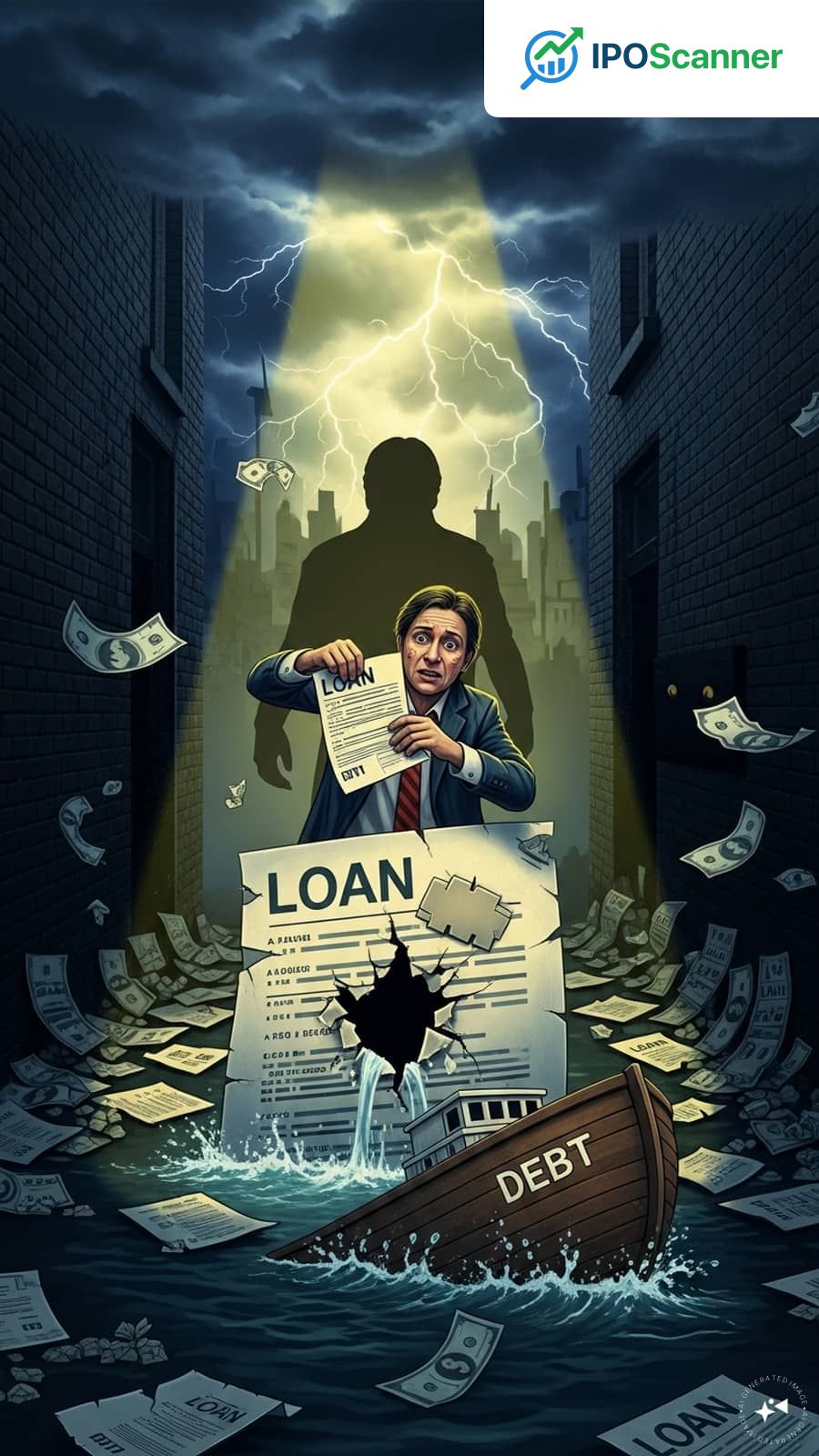
Rolling Over Debt: The Hidden Dangers of Personal Loans Used to Repay Other Loans
Debt Cycle: The Hidden Costs of Taking Out a New Personal Loan
When repayments seem hard to cope with, it becomes tempting to get a new personal loan to pay off an existing one. Such an option may give the borrower some relief, protect against default or allow for consolidating several obligations into a single one. However, in case the situation is not treated wisely, borrowing anew to resolve a debt problem will bring more difficulties down the road.
The Allure of Personal Loans
One reason why borrowers prefer personal loans over other types of lending is because personal loans allow borrowers to pay off credit card debts, overdue EMIs, or expensive short-term loans. This type of borrowing seems like the most effective way of dealing with such problems since it may offer borrowers some relief.
The Debt Cycle Continues
A personal loan does not mean getting rid of all debts. Instead, borrowers substitute an expensive form of borrowing with a new one and thereby extend their obligations over a longer period. While it may relieve one's budget due to a smaller monthly payment, it will hardly help a debtor get rid of debts.
The Hidden Costs of Personal Loans
Personal loans usually feature such charges as processing fees or penalties for defaulting on previous loans. In addition, personal loans imply new interests, which can grow considerable when the duration of repaying a new personal loan exceeds expectations. As a result, a borrower ends up paying significantly more money than he would have in case of restructuring his obligations.
Read also: Choosing the Right Vehicle Option Under New Tax Regime to Minimize Income Tax Liability
Spending Issues Remain
Even when people get a new personal loan to cover their debts, they still cannot resolve their spending problem. When a personal loan helps a person clear his debts but leaves the underlying problem behind, it will be likely that he will accumulate a new debt load. Therefore, getting out of debt becomes an impossible mission.
When Personal Loans Make Sense
Sometimes restructuring one's obligations and replacing old expensive borrowings with cheaper and better ones may prove to be financially wise decisions. In order to do that, however, the debtor should ensure that borrowing anew reduces his costs considerably. It is true that in certain cases taking a personal loan to pay off another debt makes sense. The point is that it becomes useful in situations where there is a plan about how a person can handle his debt problem sustainably in the future.
Debt Repayment Comparison
| Debt Repayment Option | Monthly Payment | Interest Rate | Total Repayment Amount |
|---|---|---|---|
| Original Debt | $500 | 20% | $20,000 |
| Personal Loan | $300 | 15% | $25,000 |
| Restructured Debt | $400 | 12% | $18,000 |
Note: The above comparison is a hypothetical example and actual numbers may vary.
More in General

Designating Multiple Beneficiaries: Understanding the Discrepancy Between Nominees and Legal Heirs in Asset Ownership

Choosing the Right Vehicle Option Under New Tax Regime to Minimize Income Tax Liability

Mutual Fund Portfolios: Balancing Diversification and Excess