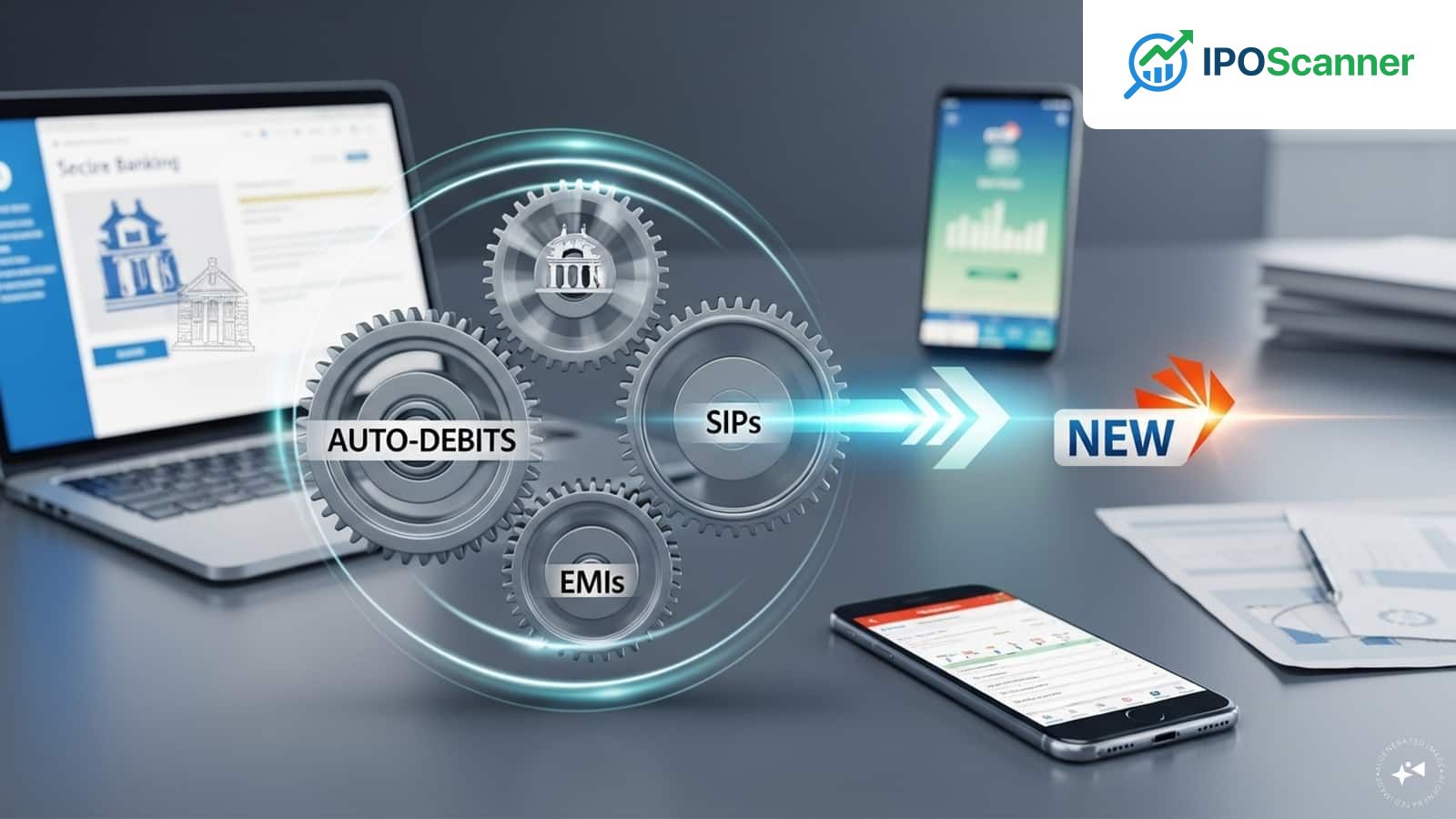
Managing Financial Obligations During Account Transfers: A Step-by-Step Guide
Detailed Analysis
Switching Banks: A Step-by-Step Guide to a Smooth Transition
Switching bank accounts can be a daunting task, especially when it comes to managing the various connections that link to it. In addition to your everyday spending money, your bank account is also tied to your SIPs, EMIs, subscriptions, utility bills, and other regular payments. To avoid any disruptions or financial setbacks, it's essential to take a methodical approach to switching banks.
Mapping Your Account Connections
Before you start the transition process, take some time to list out every auto-debit linked to your current account. This includes EMIs, SIPs, insurance premiums, credit card payments, OTT subscriptions, utility bills, and any other regular payments that are deducted automatically. Failing to do this can lead to problems down the line, so it's crucial to get this step right.
A Transition Period
Even after you've opened your new account, it's a good idea to keep your old account active for a while. This acts as a safety net until you're sure that every mandate has moved and every payment is going through the new account. Closing your old account too early can increase the risk of something bouncing.
Updating Mandates One by One
Unfortunately, there's no single switch that can automatically transfer all your mandates to your new account. Each mandate, whether it's for an EMI, a SIP, or a subscription, needs to be updated separately with your new bank details. This can feel tedious, but taking the time to do this properly is what prevents bigger problems later.
Managing Your Finances During the Transition
To avoid any financial disruptions, it's a good idea to keep enough balance in both accounts during the transition period. This will give you some breathing room and ensure that nothing unexpectedly bounces while things are still settling. You should also keep an eye on your finances during this time, monitoring whether your SIPs have been processed on time, EMIs have gone through without a hitch, and subscriptions are running as they should.
The Bottom Line
Switching banks can be a straightforward process, but it's essential to take the time to manage the various connections that link to your account. By following these steps and taking a methodical approach, you can ensure a smooth transition and avoid any financial setbacks.
Frequently Asked Questions
- Do I need to tell my employer when I switch bank accounts?
If your salary is still being credited to your old account, then yes, you'll need to update your new bank details with your employer or HR team to avoid any disruption.
- Can a missed EMI during the switch affect my credit score?
It can. Even a single missed payment can show up on your credit report, which is why keeping enough balance and updating mandates in time really matters.
- Can I shift all my SIPs to the new account in one go?
Not quite. Most SIP mandates need to be updated individually, depending on the platform or fund house you're using.
- How long do new mandates usually take to start working?
It can take anywhere from a few days to a couple of weeks, which is why it helps to start the process a little early.
- Will I be charged for updating bank mandates?
In most cases, no. But depending on the platform or bank, there could be small administrative charges in some situations.
Comparison of Mandate Transfer Time
| Platform/Fund House | Average Transfer Time | | --- | --- | | National Pension System (NPS) | 2-3 days | | Unit Linked Insurance Plans (ULIPs) | 3-5 days | | Mutual Funds | 3-7 days | | Credit Card Companies | 1-3 days | | Utility Bill Providers | 1-5 days |