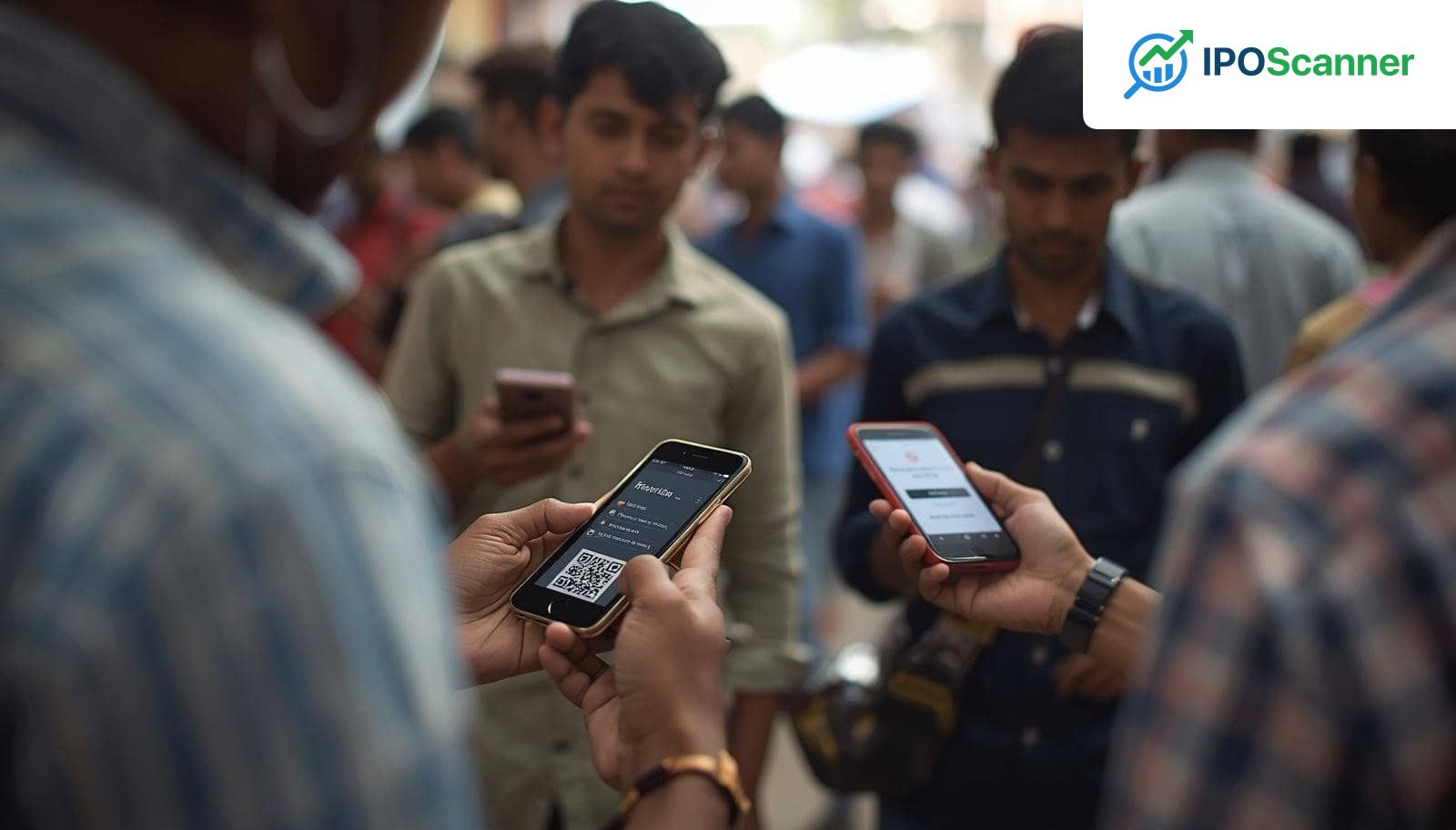
Misdirected UPI Payments: A Guide to Retrieving Lost Transfers
Detailed Analysis
Dealing with Errors in UPI Transactions: A Step-by-Step Guide
Instant Unified Payments Interface (UPI) transactions are designed to be swift and irreversible, leaving little room for error. However, mistakes can happen, and when they do, acting quickly improves the chances of recovery. Here's a step-by-step guide to help you navigate the process.
The First Step: Contact the Recipient
If you've made a mistake while sending money via UPI, the first thing to do is to contact the recipient. A surprising number of cases are resolved at this stage, especially when it's clear that the mistake was genuine. If there's no response or the person refuses to return the money, that's when you need to take further action.
Inform Your Bank
The moment you realize the error, your next move should be to inform your bank. Don't wait or overthink this step. Use your UPI app or your bank's customer support to raise a complaint right away. Most apps have a "report issue" option, which creates a proper record of the transaction from your side. This record becomes important later. You can also log the complaint through the National Payments Corporation of India (NPCI) system via the BHIM app or their portal.
| Bank's Response Time | Resolution Rate | | --- | --- | | Immediate Response | 70% - 80% | | 1-3 Days | 50% - 60% | | 4-7 Days | 20% - 30% |
Escalate the Issue
If you're not seeing any progress, the next step is to escalate the issue within the bank. Every bank has a grievance redressal mechanism, usually handled by a nodal officer or a senior team. This step shows that you've followed the process and gives your complaint more weight if you need to take it further.
External Resolution
If the bank is unable to resolve the issue, you can approach the Reserve Bank of India's (RBI) Ombudsman under the Integrated Ombudsman Scheme by filing a complaint through the Complaint Management System. This is an independent escalation, where someone outside the bank looks at your case.
Limitations
Even if you follow every step properly, there's no guarantee that the money will come back. If the person who received it refuses to return it, and there's no fraud or system error involved, the bank can't just reverse the transaction on its own. At that point, it stops being a banking issue and starts becoming a legal one.
Prevention is Better than Recovery
With UPI, prevention matters far more than recovery. Taking a few extra seconds to double-check the UPI ID, confirm the name on the screen, or even send a small test amount before a larger transfer can save you a lot of trouble later. Because once the money goes through, getting it back is far less straightforward than sending it.
More in General

Inadequate Insurance Coverage: A Misconception about Policy Limits

Indian Woman's Unconventional Approach Helps Her Clear $1 Million Student Loan in Just 12 Months