Iran Conflict Injects Boost into Indian Cotton Yarn Industry
India's Cotton Yarn Makers Thrive Amid Global Demand
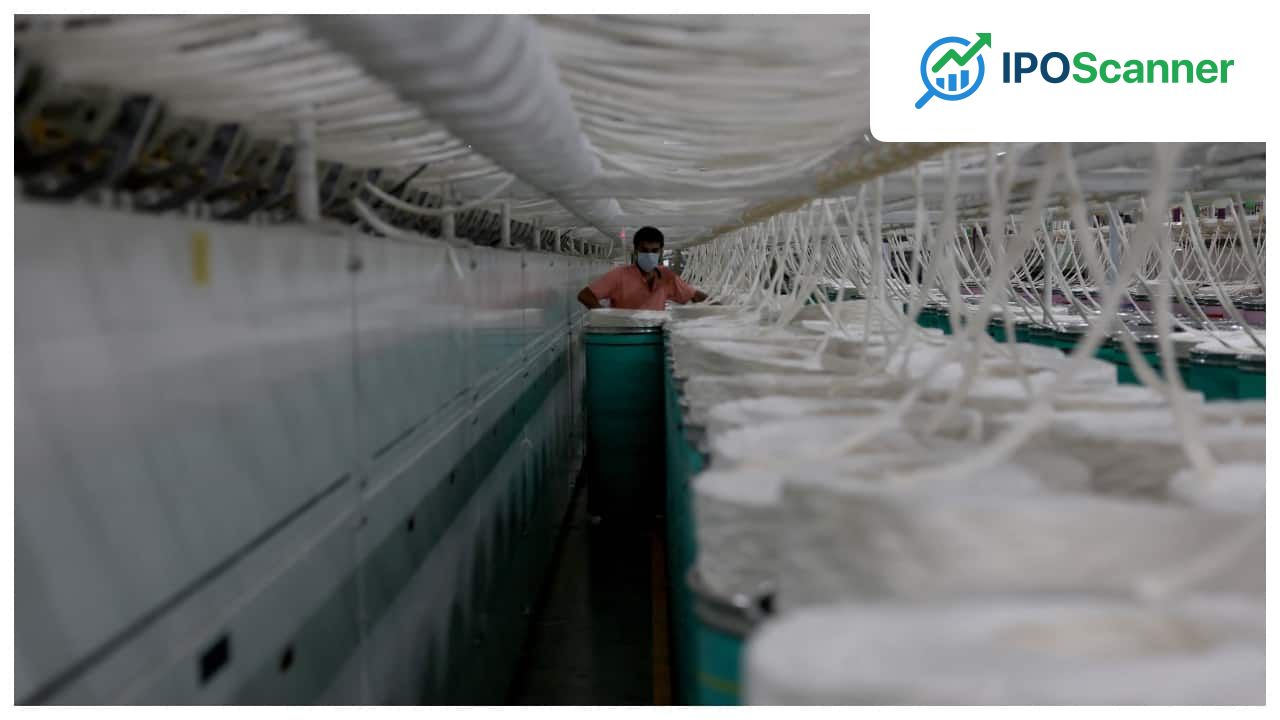
The ongoing war in the Middle East has led to a significant disruption in global supply chains and fuel markets, affecting various Indian factories. However, cotton yarn manufacturers like Fiotex Cotspin are taking advantage of the situation and increasing their production to meet unprecedented demand from clients in China.
India is the world's second-largest cotton producer, behind China. While China relies on imports for approximately 15% of its raw cotton and around 20% of its yarn to meet demand, India has become a preferred sourcing point for Chinese buyers due to the war's impact on trade routes. As cotton supplies from other countries decline, India's domestic cotton supply is being supplemented by imports from the US and Brazil, leading to a significant increase in Chinese imports of imported yarn.
The Indian rupee's depreciation against the yuan has also made Indian cotton yarn imports cheaper for Chinese buyers. This has resulted in a surge in demand for Indian cotton yarn, with Ripple Patel, managing director of spinning mill Fiotex in Gujarat, reporting a 40% growth in export order book in recent months. Patel's factory is currently operating at 100% capacity utilisation, up from 90% earlier.
Read also: Emkay Global Financial Recommends Buying SBI Life, Sets Price Target at ₹2,250
| Month | Containers Sailing from India to China |
|---|---|
| November | 300 |
| December | 1,200 |
| January | 1,500 |
| February | 1,500 |
| March | 1,500 |
| April | 1,500 (expected) |
| May | 1,500 (expected) |
As a result, around 1,500 containers, carrying 30,000 tonnes of cotton yarn, are sailing from India to China each month since November, up from an average of 300 containers earlier. While many manufacturing hubs in India are suffering due to fuel shortages and input price increases, spinning mills have been spared these disruptions as they largely run on grid or solar electricity.
The war's impact on polyester supplies has made cotton more attractive, and the decline in the rupee has further bolstered Indian cotton yarn exports. Rahul Shah, co-chair of Textiles Committee in Gujarat Chamber of Commerce and Industry, expects numerous spinning mills in Gujarat to continue exporting similar quantities through April and May to capitalize on the surge in demand from China.
However, spinning mills in the southern state of Tamil Nadu face higher transport costs due to the distance between their location and cotton-growing areas and ports. As a result, export is not as favorable for them, with Vishnu Prabhu, joint managing director at garment maker K.M. Knitwear in Tamil Nadu, citing the costs involved in transporting raw cotton to the port.
Investor Takeaway
Investors should consider the potential benefits of increased demand for Indian cotton yarn exports.
More in Economy

Emkay Global Financial Recommends Buying SBI Life, Sets Price Target at ₹2,250

Norway's $2.2 Trillion Sovereign Wealth Fund Posts 1.9% Quarterly Decline Due to Technology Sector Losses

Consumption Remains Long-Term Theme, IT Sector Faces Continued Pressure