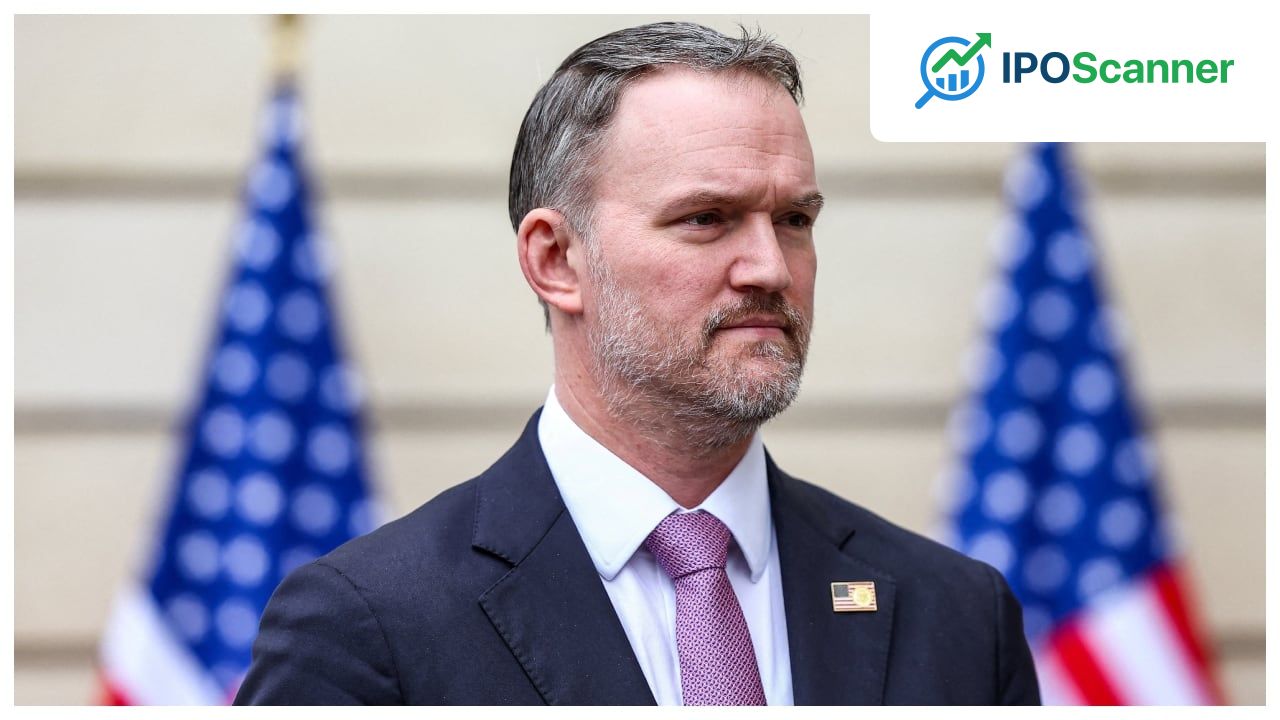
India Remains a Challenging Trade Partner, Says USTR Greer After Latest Negotiation Round
India and US Trade Negotiations Continue Amidst Challenges
India has proven to be a difficult partner in trade negotiations, according to US Trade Representative Jamieson Greer, who met with a delegation from New Delhi in Washington. The 12-member Indian delegation, led by Darpan Jain, Additional Secretary in the Department of Commerce, concluded three days of talks with the US team, led by Brendan Lynch, Assistant USTR for South and Central Asia, on Wednesday.
The talks focused on the fine print of the bilateral trade agreement, which was announced on February 2 and released on February 7. As part of the agreement, India is seeking preferential access to the US markets, with the goal of achieving bilateral trade of $500 billion by 2030. The framework of the agreement includes reducing tariffs on Indian goods to 18% from 50% and removing 25% tariffs on Indian goods for buying Russian oil.
However, the US Supreme Court's ruling on February 20 against Trump's reciprocal tariffs has complicated the negotiations. The tariffs were imposed under the 1977 International Emergency Economic Powers Act (IEEPA), and India is now seeking to recalibrate and redraft the agreement to ensure its interests are protected under the new global tariff framework.
Read also: Majority Stake in Vahdam India Up for Sale Amid Interest from Top Multinationals
The US negotiators are discussing specific issues, such as distillers dried grains (DDGs), which are used as high-protein livestock feed, soybean meal, and ethanol. Greer noted that while India has protected its agricultural markets for a long time, there may be areas where mutual agreement can be reached. The DDGs agreement is seen as a potential model for future cooperation.
| Country | Tariff Before Agreement | Tariff After Agreement |
|---|---|---|
| India | 50% | 18% |
| India (Russian oil) | 25% | 0% |
| India (remaining tariffs) | 25% | 18% |
The complex negotiations between India and the US will continue, with both sides seeking to balance their interests and achieve a mutually beneficial agreement.
More in Economy

Majority Stake in Vahdam India Up for Sale Amid Interest from Top Multinationals

Rising Inflation and Slowing Growth Pose Dual Threat to Markets

Nifty Pharma Index Posts 2.5% Gain Amid Strong Growth Prospects