Government Prepares to Issue Tenders for Rabi Fertiliser, Cites Challenges in Supply Visibility and Logistics Costs
Detailed Analysis
Fertiliser Procurement for Rabi Season Faces Uncertainty
India is preparing to float tenders for Rabi fertiliser procurement, but supply visibility remains weak due to uncertainty over supplier participation, logistics costs, insurance, and shipping routes. According to a senior government source, the requirement for fertilisers is immediate, and funds are available, but the key question is who will supply and which players are willing to participate.
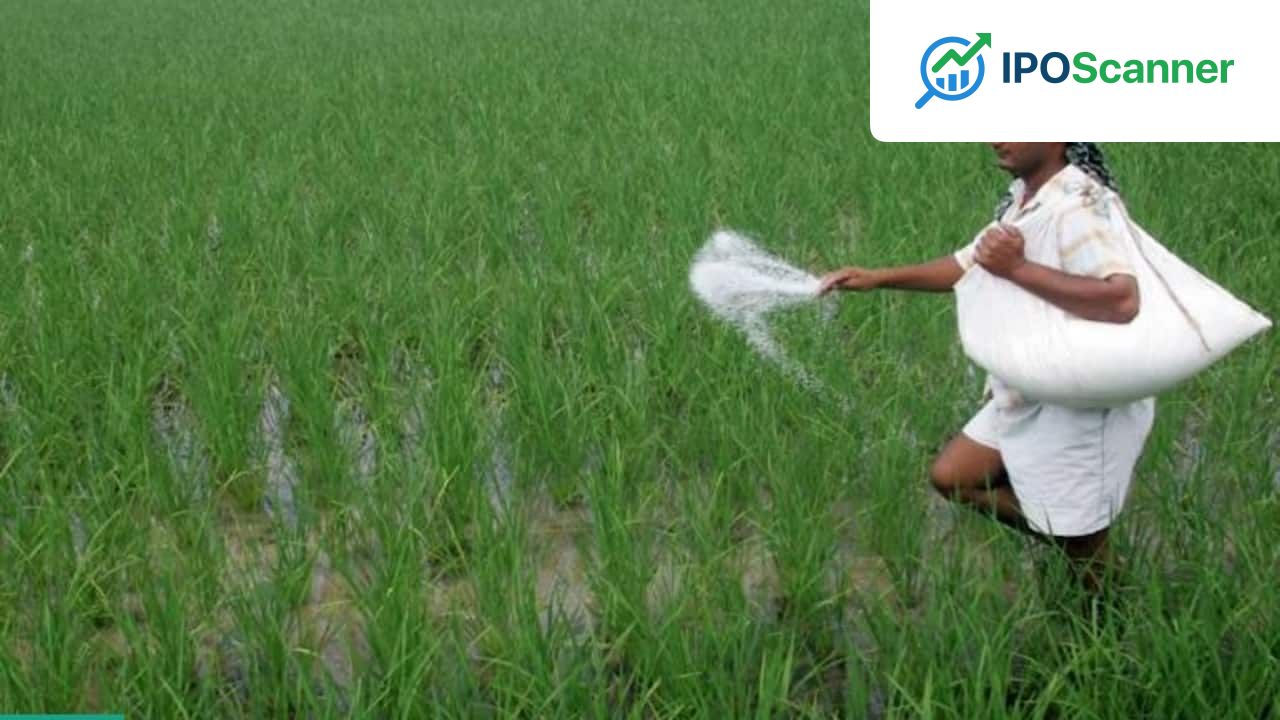
Rabi fertilisers are primarily required between October and November, for which global import tenders need to be issued now. The tenders are mainly for phosphatic and potassic fertilisers, though limited urea imports may also be undertaken to bridge domestic gaps, where India remains dependent on global suppliers.
Uncertainty in Commercial Agreements
Issuing tenders does not ensure timely availability, especially amid disruptions in global trade flows. The government faces a dual challenge - securing timely imports while ensuring balanced domestic distribution. Even if tenders are floated, the question is who will supply and at what cost. Logistics expenses, insurance availability, and shipping routes are all adding to the uncertainty in commercial agreements.
Risks Persist
The government indicated that prior planning has helped cushion immediate stress. The Centre had earlier approved a subsidy outlay of Rs 41,534 crore for phosphatic and potassic fertilisers for the Kharif 2026 season to ensure availability and price stability amid volatile global input costs. Officials have also indicated that the overall fertiliser subsidy bill could rise to around Rs 2.20 lakh crore in FY27 due to higher energy prices and geopolitical tensions.
Hoarding Concerns Emerge
Alongside global procurement challenges, domestic distribution distortions are beginning to surface. There is some truth to the concern that people are hoarding fertilisers. They are buying much more than what they actually require. To address this, the Centre has asked state governments to ensure equitable distribution.
Balancing Imports and Availability
India relies significantly on imports for key fertilisers such as di-ammonium phosphate (DAP), muriate of potash (MOP), and a portion of its urea requirements, making availability sensitive to global price movements and shipping disruptions.
| Fertiliser Type | Import Requirement (2026) | Domestic Availability (2026) | | --- | --- | --- | | Di-ammonium phosphate (DAP) | 50% | 50% | | Muriate of potash (MOP) | 60% | 40% | | Urea | 30% | 70% |
Note: The import and domestic availability of fertilisers may vary depending on global price movements and shipping disruptions.