Government Considers Ethanol as Alternative Fuel for Commercial Cooking Amid LPG Supply Constraints
Detailed Analysis
Government Weighs Ethanol as Alternative Cooking Fuel Amid LPG Supply Disruptions
India's government is considering ethanol as a potential alternative cooking fuel for commercial applications, according to sources, as the country grapples with LPG supply disruptions that have exposed vulnerabilities in its import-dependent energy mix.
The proposal aims to divert surplus ethanol capacity, estimated at around 1,000 crore litres, towards cooking, with a detailed white paper expected to be submitted to an inter-ministerial panel in the coming weeks. The panel, comprising the ministries of petroleum, road transport, heavy industries, and food, will assess the technical feasibility, pricing, and distribution logistics of using ethanol as a cooking fuel.
Ethanol is primarily produced in India by fermenting and distilling sugarcane, maize, and broken rice. It is currently used as a renewable biofuel, blended with petrol to reduce crude imports and carbon emissions. Cooking ethanol mix is significantly cheaper than fuel-grade ethanol, which could make it a cost-effective alternative for commercial kitchens.
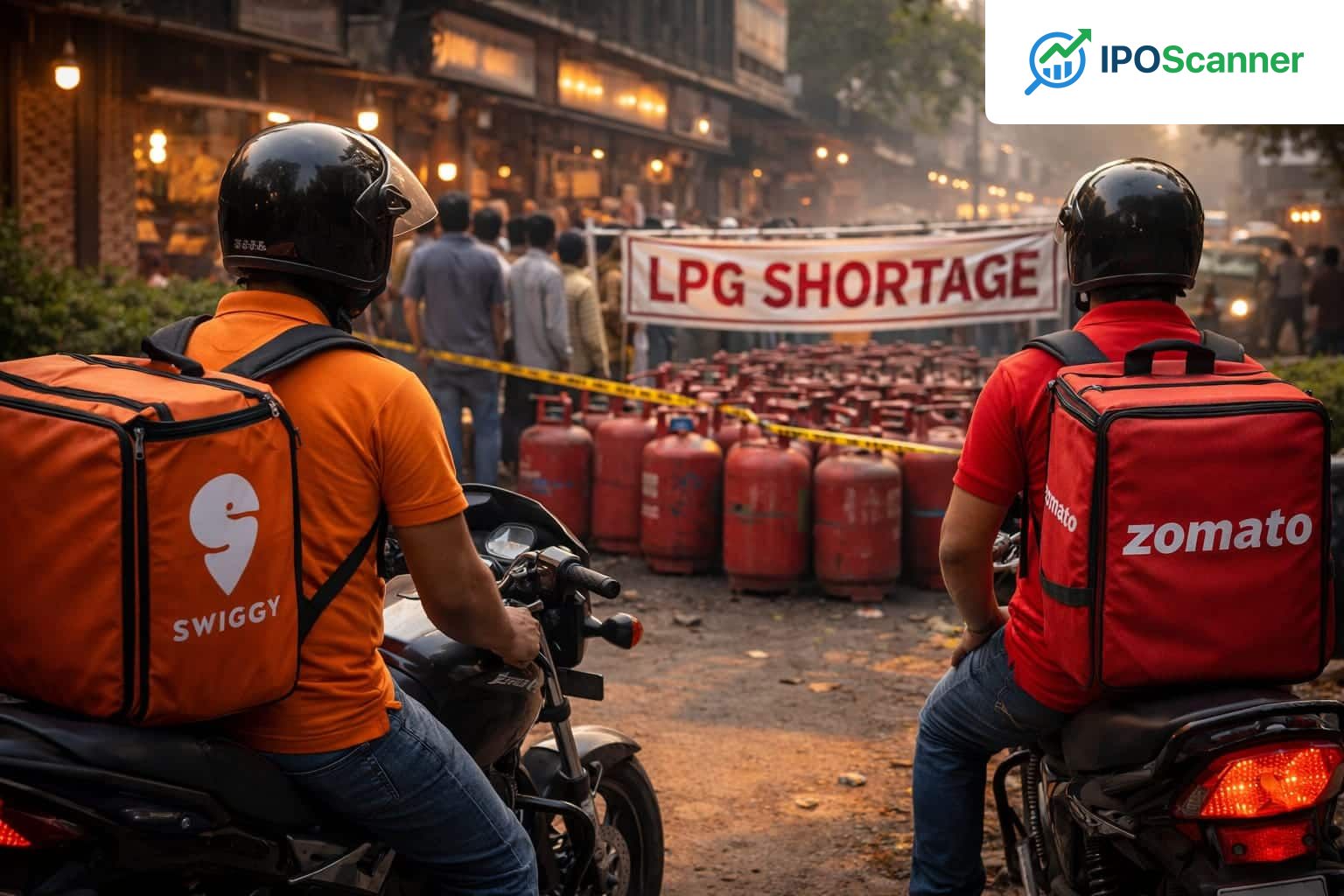
Recent supply constraints in LPG imports have led to tighter domestic availability, with oil marketing companies prioritizing household demand and limiting supplies to commercial establishments such as hotels and restaurants. Industry representatives have indicated readiness for trials and developing safety and technical standards in consultation with the government.
| Fuel | Commercial LPG | Hydrous Ethanol | | --- | --- | --- | | Cost per kg | Rs 103 | Rs 70 | | Calorific Value per kg | 12,000 calories | 7,100 calories |
A detailed submission is being prepared for the committee, which will evaluate the proposal based on technical feasibility, pricing, and distribution logistics. Industry experts believe that given the current geopolitical situation and the surplus of ethanol, this is the right time to evaluate such solutions.
Recent geopolitical disruptions have tightened LPG supplies, forcing prioritization of household consumption while commercial users are facing shortages. India has built significant ethanol capacity over the past few years, with investments of nearly Rs 40,000 crore. Around 1,100 crore litres is currently required for blending, leaving a surplus of roughly 1,000 crore litres, which is likely to increase further.
Ethanol could be cost-competitive with commercial LPG, particularly when using hydrous ethanol, which contains around 95 percent ethanol and a small amount of water, avoiding an additional dehydration process. However, ethanol has a lower energy content compared to LPG, requiring higher volumes to achieve the same energy output.