West Asia Conflict Fuels Diesel and Fertiliser Shortages in Key Agricultural States
Detailed Analysis
Fuel and Fertilizer Shortages Hit Indian Farmers Ahead of Harvest Season
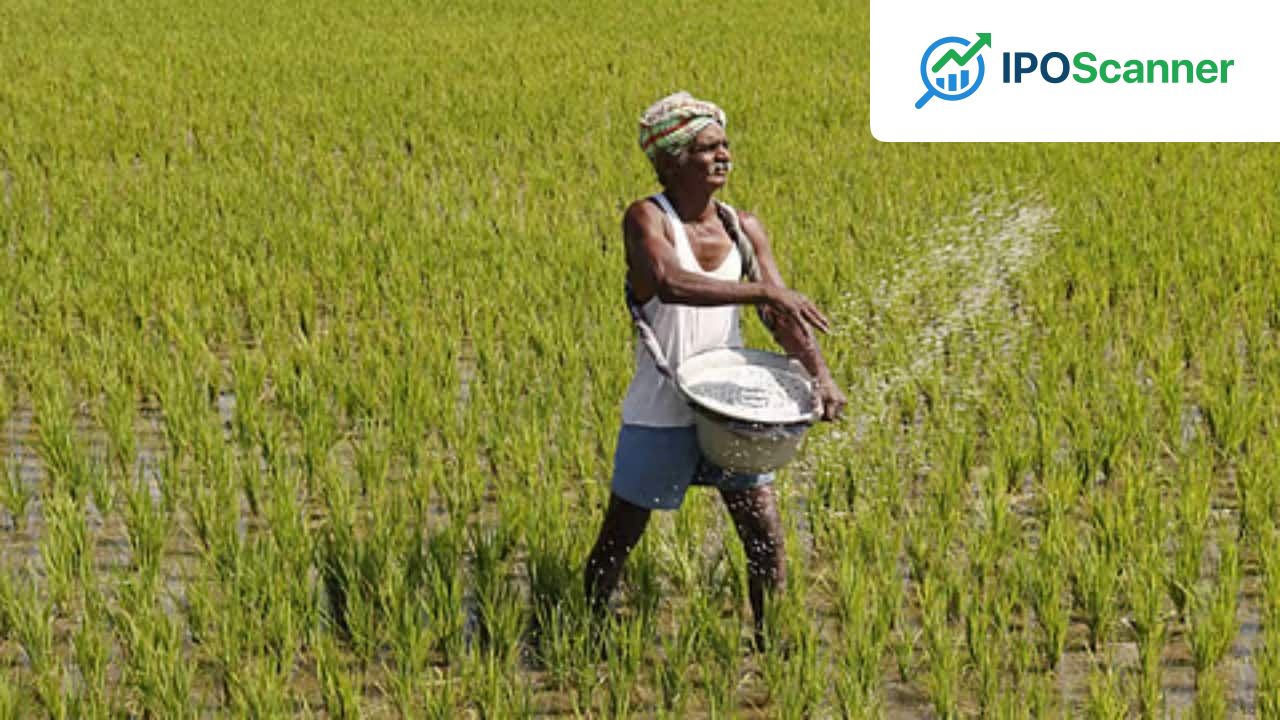
As wheat stands ready for harvesting across northern India and preparations begin for the paddy season, farmers in key agricultural states such as Maharashtra, Uttar Pradesh, and Haryana are facing shortages of diesel and essential fertilisers. The month-long war in the Middle East has disrupted supplies and driven up costs, impacting farm operations at the worst possible time.
Farmers across states such as Uttar Pradesh, Gujarat, Maharashtra, Madhya Pradesh, Telangana, and Karnataka are struggling with delayed harvesting, rising transportation charges, and uncertainty over the next sowing cycle. Key crops are being sold at prices below the minimum support price (MSP), at which the government procures produce from farmers.
According to farmers in three key agricultural states, the disruption is being caused by diesel sales limits at retail pumps, which are leaving diesel-powered machines and transport vehicles stranded at the peak of the harvest season. The fuel-dependent sector is the second-largest consumer of diesel, with farmers using it to pump water, run harvesters and threshers, and transport produce to mandis.
Farmers are forced to make repeated trips or buy fuel in smaller quantities, delaying harvesting and increasing costs. Anil Kumar Mishra, a wheat farmer from Hardoi district in central Uttar Pradesh, said that the fuel shortage is impacting their operations at a critical time. Raghvendra Singh, a farmer from Lucknow, added that the wheat crop is ready, but farmers are unable to arrange enough diesel to operate harvesting machines continuously.
| State | Diesel Sales Limit | | --- | --- | | Uttar Pradesh | 20 litres per vehicle per day | | Maharashtra | 15 litres per vehicle per day | | Haryana | 25 litres per vehicle per day | | Gujarat | 20 litres per vehicle per day | | Madhya Pradesh | 18 litres per vehicle per day | | Telangana | 22 litres per vehicle per day | | Karnataka | 18 litres per vehicle per day |
Farmers say they usually buy diesel in bulk and store it in cans, sparing them repeated trips with tractors to distant petrol pumps. However, since the war began, many pumps have stopped allowing can purchases, forcing growers to make multiple journeys for smaller quantities.
Cultivators are facing difficulties in Maharashtra, where the number of small and marginal farmers is significant. Such farmers own less than 2 hectares of land, used for the cultivation of cotton, maize, bajra, jowar, and soyabean. Since the majority of these growers do not own a tractor of their own, they are often dependent on third-party contractors during the harvest season.
The shortage of diesel is also affecting the transportation of seeds, fertilizers, and labour, leading to rising costs. Baldev Singh, a farmer from Meerut district, said that transportation charges for seeds and fertilizers have already started rising because of diesel shortages.
The comments come as India's diesel exports rose 20 percent in March, according to reports. However, the government has hiked the taxes on diesel exports to ensure adequate supply in domestic markets.
Fertilizer supplies are also tightening, with prices rising despite government assurances that stocks are adequate and available across the country. Growers complained that many retailers were either rationing fertilizer sales, demanding higher prices.
While diesel prices have remained largely unchanged, fertilizer costs have increased significantly. Harvesting cost per acre has risen from Rs 2000 to Rs 3200 since the war began, making it difficult for farmers to bear the increase when their produce is fetching lower rates in the market.
Higher urea prices globally, triggered by the middle east war, has pushed the government to increase subsidies to maintain low domestic prices. However, farmers allege they are not benefiting from the subsidy as the prices remain high.
The shortage of fertilizers is critical for farmers, as they need them on time before the monsoon begins. The procurement costs have risen at least by 20 percent since the war began, and while companies are claiming that benefits are being passed to farmers, urea bags are being sold at pre-war prices albeit with reduced quantity.
Investor Takeaway
Diesel and fertiliser shortages may impact farm operations and crop prices in key agricultural states.