Fuel Price Hike: Market Analysts Warn of Possible Sell-Off
Market Analysts Warn of Potential Sell-Off in Equity Markets if Petrol and Diesel Prices Rise
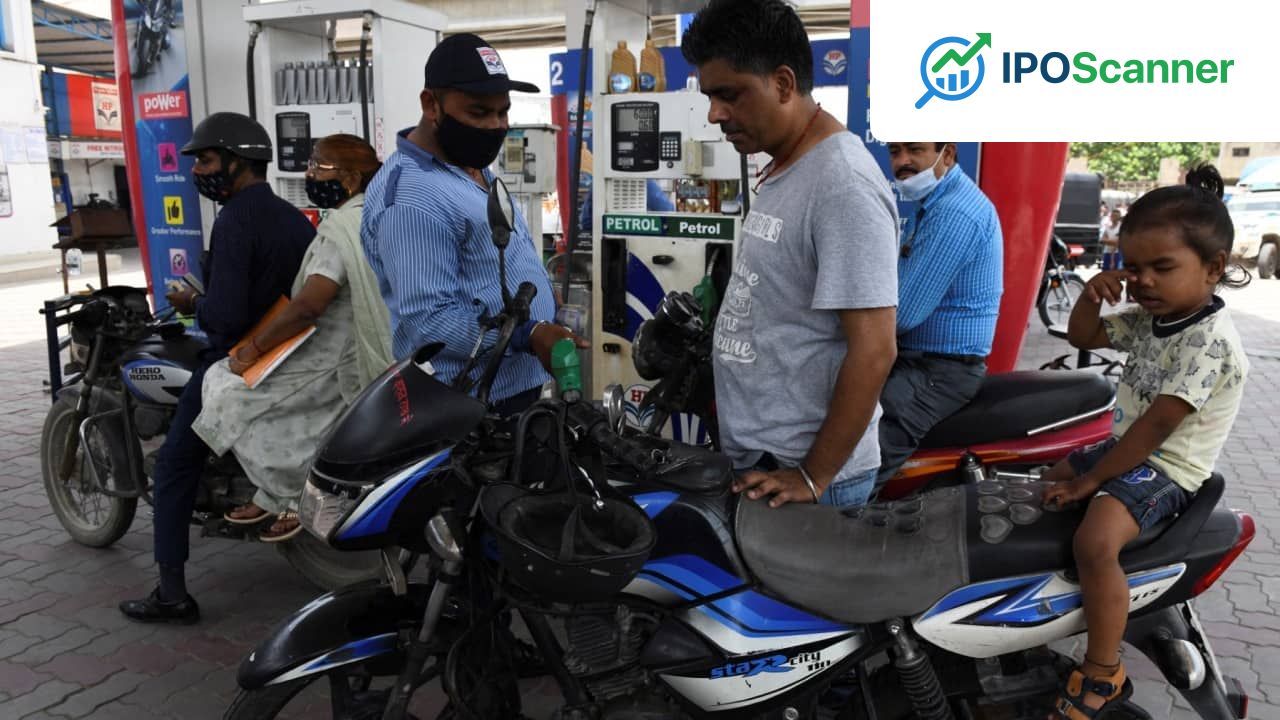
Analysts have cautioned that any hike in petrol and diesel prices after the conclusion of state elections could trigger a knee-jerk sell-off in domestic equity markets. This warning comes in the wake of a report by Kotak Institutional Equities projecting a potential increase in fuel prices once polling for assembly elections, including in West Bengal, concludes on April 29. The brokerage has estimated a Rs 25–28 per litre rise in petrol and diesel prices, assuming crude oil remains near $120 per barrel.
The government, however, has dismissed such reports as "mischievous and misleading" and said there is no proposal under consideration to raise retail fuel prices. Polling in West Bengal (Phase-II) is scheduled for April 29, while counting of votes for all states and Union Territories will take place on May 4.
According to the Kotak report, state-run oil marketing companies are currently absorbing losses of about Rs 27,000 crore per month due to the gap between global crude prices and domestic retail rates. This loss could potentially impact various sectors, including FMCG, automobiles, and logistics, where margins are sensitive to input costs.
Read also: India's Discreet Gold Repatriation in 1991: A Glimpse into the Past and Present-Day Implications
| Sector | Potential Impact |
|---|---|
| FMCG | Negative |
| Automobiles | Negative |
| Logistics | Negative |
| Aviation | Negative |
The government has clarified that state-owned fuel retailers are incurring losses of around Rs 20 per litre on petrol and about Rs 100 per litre on diesel, as retail prices have remained unchanged for nearly four years despite a surge in global oil prices. The Ministry of Petroleum and Natural Gas (MoPNG) has rejected speculation of a steep hike, saying there is no such proposal under consideration.
Crude oil prices have been highly volatile, rising from about $70 per barrel last year to an average of over $113 this month, but retail fuel prices have not been increased. India meets about 88 per cent of its oil requirement through imports. The government's effort has been to maintain price stability despite global fluctuations, including those following the conflict in West Asia.
While oil marketing companies may benefit from improved margins, sectors such as aviation, logistics, and FMCG could face higher costs. Automobile demand may also be impacted if fuel prices rise significantly. However, markets could stabilise over time as investors adjust to the revised pricing environment.
Read also: Dollar's Purchasing Power Erodes in India as Luxury Home Prices Outpace Rupee Depreciation
Investor Takeaway
Investors should be prepared for a possible sell-off in domestic equity markets if fuel prices are hiked after state elections.
More in Economy

India's Discreet Gold Repatriation in 1991: A Glimpse into the Past and Present-Day Implications

Dollar's Purchasing Power Erodes in India as Luxury Home Prices Outpace Rupee Depreciation
Indian Private Banks Trade Below Long-Term Valuation Multiples Amid Robust Asset Quality and Fundamentals