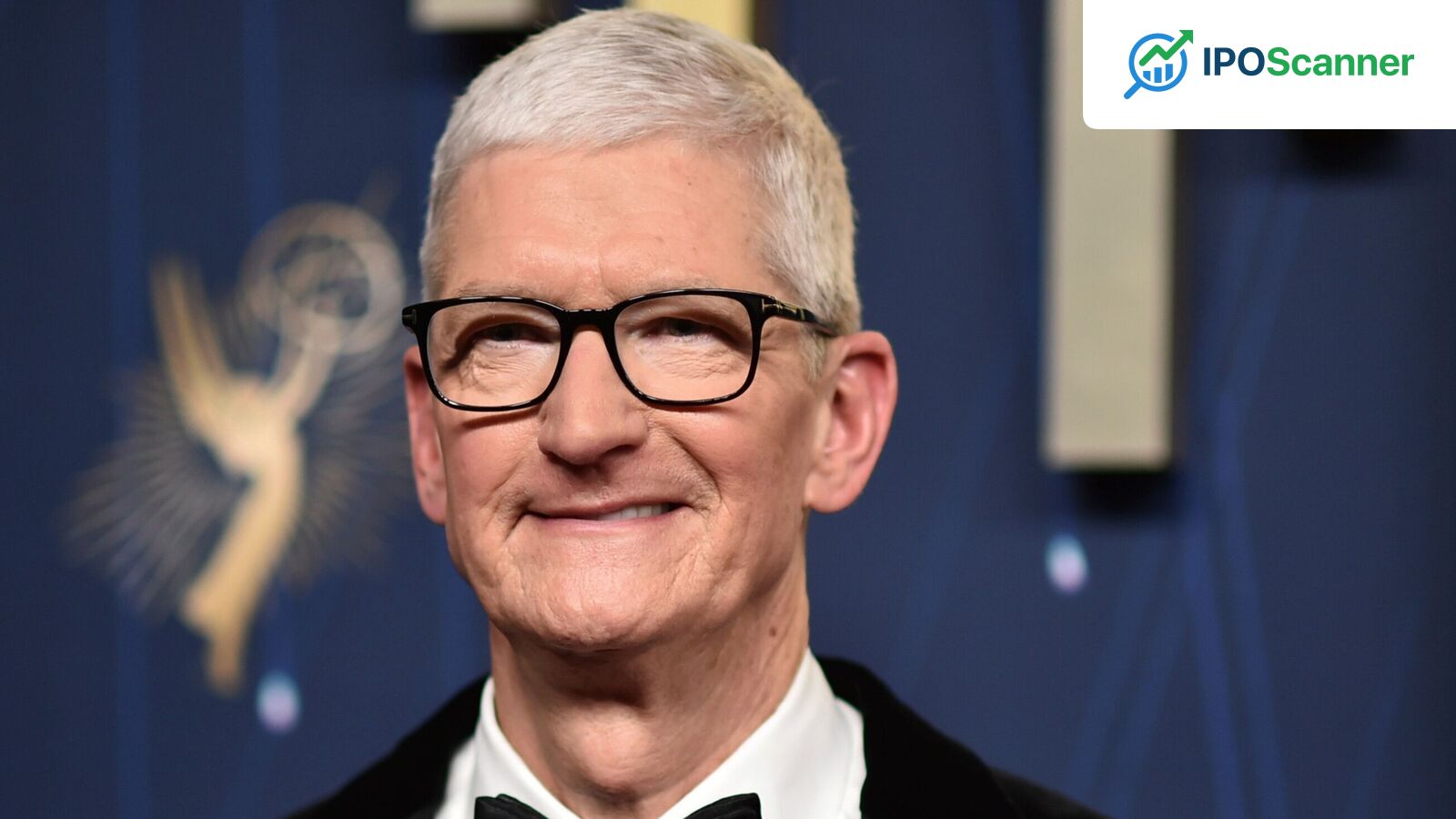
Apple CEO Tim Cook to Step Down, John Ternus Named as Successor
Detailed Analysis
Apple CEO Tim Cook Steps Down After Nearly 15 Years
Apple CEO Tim Cook is stepping down after nearly 15 years leading the company, marking the end of a transformative era that saw Apple's market value surge by more than $3.6 trillion. Cook, who took over after Steve Jobs in 2011, will formally hand over the CEO role on September 1.
Throughout his tenure, Cook has been instrumental in shaping Apple into a mass-market technology giant. His operational excellence and global supply chain efficiency helped scale the company, positioning it for success in the rapidly evolving tech industry. Under Cook's leadership, Apple's market value increased exponentially, with the company's profits and revenue growth mirroring the rise of the company's iconic iPhone.
John Ternus Named New CEO
Apple has appointed John Ternus, its senior vice president of hardware engineering, as Cook's successor. Ternus, who joined Apple in 2001, has led major hardware initiatives and played a key role in strengthening product lines, including Mac computers. His appointment reflects a broader shift toward leadership focused on product design and innovation as Apple navigates the rise of artificial intelligence.
| Comparison of Key Figures | | --- | --- | | Tim Cook | John Ternus | | CEO since 2011 | Joined Apple in 2001 | | Stepping down on September 1 | Appointed as next CEO | | Market value surge: $3.6 trillion | Led major hardware initiatives |
As Apple enters a new era under Ternus' leadership, the company is expected to lean more heavily into hardware design and product innovation, especially as the tech industry enters a new AI-driven cycle. Ternus' appointment is seen as a strategic move to position Apple for success in the rapidly evolving tech landscape.
Key Executive Changes Announced
Alongside the CEO transition, Apple also announced that Johny Srouji, head of Apple's custom silicon efforts, has been named chief hardware officer. Srouji has been central to Apple's chip development strategy, including the company's in-house processors used across iPhones, iPads, and Macs.
As Cook transitions into the role of executive chairman, he will continue to be involved with the company. His legacy is defined by operational excellence and global supply chain efficiency, helping to turn Apple into one of the world's most valuable companies. Despite comparisons to Jobs, Cook is credited with expanding services and hardware ecosystems globally, solidifying the iPhone as Apple's core revenue driver.
The leadership change marks one of the most significant transitions in the company's modern history as Apple enters a new phase focused on hardware evolution, AI integration, and next-generation product strategy.
Investor Takeaway
Apple's leadership transition may impact the company's future direction and stock performance.