US CPI Posts Largest Monthly Increase Since 2022 on Rising Gasoline Prices
Detailed Analysis
US Inflation Surges to Nearly Four-Year High as Iran War Disrupts Global Markets
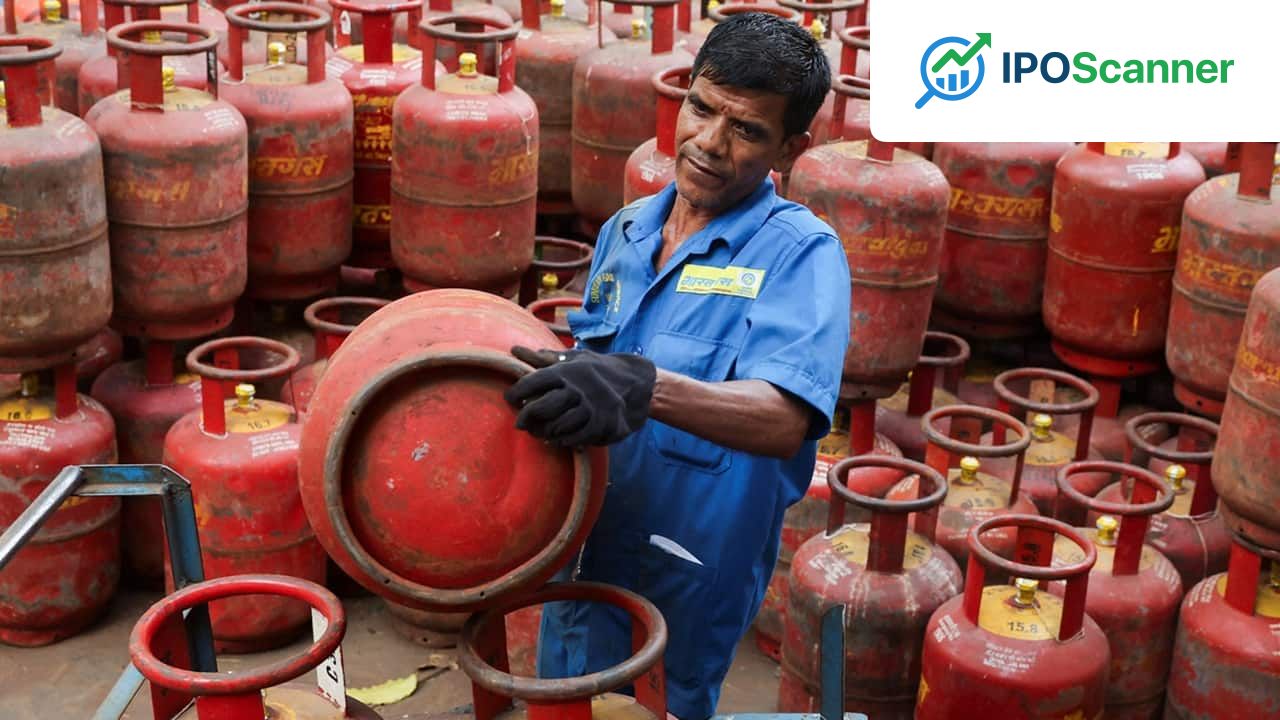
The US consumer price index (CPI) rose 0.9% in March, marking the largest increase in nearly four years. This surge in inflation was largely driven by a record increase in gas prices, which accounted for nearly three-quarters of the monthly advance, according to data released by the Bureau of Labor Statistics on Friday.
From a year ago, the CPI picked up to 3.3%, the strongest pace since 2024. This significant increase in inflation is a direct result of the ongoing war in the Middle East, which has disrupted global oil supplies and led to a sharp rise in gasoline prices. Americans are already experiencing higher prices at the pump, and service providers such as Delta Air Lines Inc. and the US Postal Service have warned of price hikes ahead.
Even if the US-Iran truce holds and there's a rapid resolution to the conflict, economists anticipate higher costs are likely to persist in the near term as oil output normalizes. Beyond the energy shock, a disruption in the supply of fertilizer is expected to eventually lead to higher grocery bills, while rising transportation costs could impact all kinds of consumer goods.
| Category | March 2026 | February 2026 | Change | | --- | --- | --- | --- | | Gasoline | 21% | | | | Goods (excluding food and energy) | 0.1% | 0.1% | 0.0% | | Used cars | -0.4% | -0.4% | 0.0% | | New cars and apparel | 0.2% | 0.2% | 0.0% | | Grocery costs | -0.2% | | | | Services (excluding energy) | 0.2% | 0.3% | -0.1% | | Airfares | 2.7% | | | | Shelter prices | 0.3% | 0.3% | 0.0% |
Despite the significant increase in gas prices, other categories saw relatively tame increases in March. The prices of goods excluding food and energy rose a modest 0.1% for a second month. Used-car prices fell for a fourth straight month, while prices for new cars and apparel rose. Grocery costs fell 0.2% on a decline in meat, dairy, and egg prices.
The services sector also saw a rise in costs, with airfares increasing by 2.7% from February as some customers rushed to lock in prices before they jump further due to the war. United Airlines Holdings Inc. recently warned it may have to hike prices by 20% because of the oil shock.
Federal Reserve officials are closely tracking the impact of the oil shock and the war on prices. Investors see little chance of another interest-rate cut in 2026 amid renewed inflation risks, according to futures. Central bankers also pay attention to wage growth because it can help inform expectations for consumer spending, the main engine of the economy.
A separate report on Friday that combines the inflation figures with recent wage data showed that real average hourly earnings rose just 0.3% from a year ago, the least since 2023. Economists have lowered their growth estimates for this year on expectations that higher prices and a weaker labor market will take a toll on consumer spending. Government data out this week showed inflation-adjusted spending barely rose in February, adding to a streak of sluggish demand.
Investor Takeaway
Higher inflation and rising gas prices may impact the US economy in the near term.