NASA's Artemis Program Faces Uncertainty Amid Shifts in Administration Priorities
Detailed Analysis
NASA's Boeing Rocket Faces Uncertain Future Amid Push for Commercial Alternatives
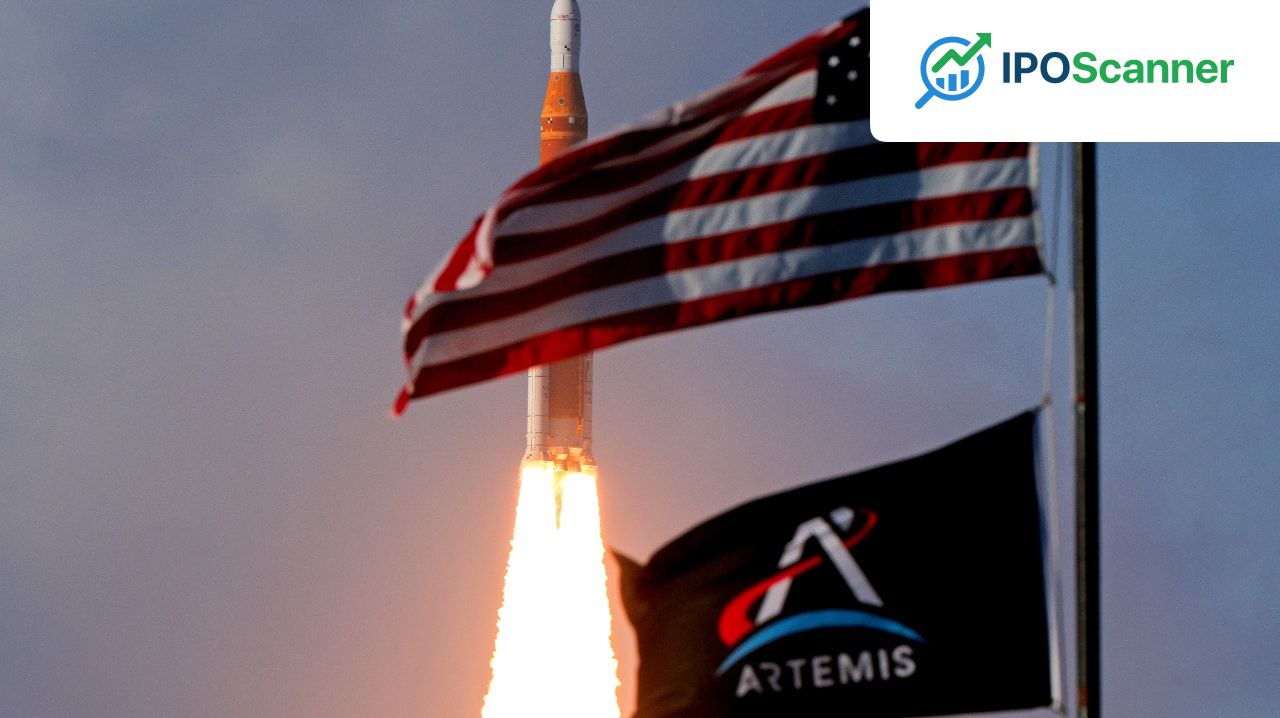
The Space Launch System (SLS) rocket, developed by Boeing Co. and costing $24 billion, has successfully propelled astronauts farther into space than ever before as part of the Artemis II mission. However, the Trump administration is already exploring options for a replacement, casting uncertainty over the future of the beleaguered rocket.
In the lead-up to the Artemis II mission, NASA reached out to rival companies to gauge their interest in providing commercial alternatives for future lunar trips. This move, reflected in the White House's budget request, has raised questions about the fate of the SLS program, which has been plagued by delays and cost overruns over the past decade.
The SLS program, worth tens of billions of dollars over the next few years, has become a key test for Jared Isaacman, the billionaire fintech entrepreneur appointed to lead NASA by President Donald Trump. Isaacman is advocating for the use of commercial companies like SpaceX to provide cheaper alternatives to costly systems developed by legacy players like Boeing and Lockheed Martin Corp.
As the administration looks to phase out the SLS and Lockheed-made Orion crew capsule, lawmakers have shown resistance, blocking previous attempts to cut funding for the program. With a 2028 deadline looming to land astronauts on the moon before Trump leaves office, Isaacman is under pressure to deliver.
| Company | Cost per Trip (Initial Estimate) | Cost per Trip (Actual) | | --- | --- | --- | | SLS | $1 billion | $4 billion | | SpaceX | N/A | N/A |
In an effort to accelerate the pace of lunar missions, Isaacman has canceled Boeing's contract for a more powerful upper stage for the SLS rocket and outlined plans for a base on the moon's surface. This move has been seen as a push towards relying heavily on commercial space and competition.
Industry leaders, such as Dave Cavossa, president of the Commercial Space Federation, have praised the administration's pro-commercial stance, stating that it is the most pro-commercial leadership seen in NASA's history.
The Artemis program was created in the first Trump administration as a response to a cancelled NASA program. The SLS rocket, which has carried the Artemis missions into orbit at a cost of about $4 billion per trip, has faced criticism for its high price tag and delayed schedule.
Isaacman has emphasized the need for action, stating that the public has invested over $100 billion and has been patient with America's return to the moon. Boeing and Lockheed Martin have responded to the criticism, with Boeing stating that it is a proud partner in the Artemis mission and Lockheed Martin emphasizing the importance of the Orion spacecraft in the Artemis program.
As the administration continues to explore options for commercial alternatives, lawmakers will need to balance the need for innovation with the strength of the existing program. For now, the SLS remains the only rocket on the market capable of meeting NASA's needs, allowing lawmakers to walk a tightrope between embracing commercial alternatives and defending the legacy architecture.
Investor Takeaway
Investors should be cautious about the future of Boeing's rocket and the potential impact on the space industry.