
INVasset PMS Sees Pause in Upgrade Cycle, Earnings Recovery Still Possible
Market Analyst Sees Cautious Outlook Despite Potential for Earnings Recovery
The management's post-FY26 earnings commentary appears cautious rather than indicative of weakness, according to Anirudh Garg, Partner and Fund Manager at INVasset PMS. He believes that FY27 earnings recovery is still possible, but the upgrade cycle has paused due to crude, currency, and global-demand risks.
The recent developments in West Asia and their impact on markets are still unfolding. Garg opined that it is too early to say the worst is fully over for the market. The market has transitioned from panic to selective buying, but the risk premium remains elevated due to crude prices near $100 a barrel, a weaker rupee, and persistent FPI selling.
Energy Transition: A Selective Theme
India's non-fossil capacity has reached 283.46 GW as of March 2026, including 150.26 GW solar and 56.09 GW wind. The energy transition is a structural multi-year theme, and the best opportunities are now in transmission, storage, grid equipment, smart metering, and balance-sheet-strong renewable platforms. However, investors should exercise caution and avoid treating every green-energy stock as a winner, as execution, leverage, and pricing risks remain critical.
Market Outlook
It is too early to say the worst is fully over for the market. The market has moved from panic to selective buying, but crude near $100 a barrel, a weaker rupee, and persistent FPI selling keep the risk premium elevated. With earnings estimates being trimmed across key sectors, the market is better described as buy-on-dips rather than a broad risk-on trade.
Uncertainty Around Strait of Hormuz
Read also: Businesses to Benefit from Launch of New AI-Driven Financial Management Software
Hormuz remains the biggest macro swing factor for Indian equities. The route handles roughly 20 percent of global oil flows, so even limited disruption can quickly reprice crude, LNG, freight, and shipping insurance. For India, the impact flows through import bills, currency pressure, and corporate margins. If uncertainty extends beyond April, oil-sensitive sectors such as autos, aviation, paints, logistics, and FMCG could face sharper earnings pressure.
Inflation Risk
Inflation is currently within the RBI's comfort range, but the risk is on the upside. India imports over 85 percent of its crude requirement, and a sustained oil shock can enter inflation through transport, packaging, food logistics, and imported raw materials. RBI may not react immediately, but rate-cut expectations can get delayed if crude and the rupee remain under pressure.
Management Commentary on Q1FY27 and FY27 Earnings
Management commentary is cautious rather than weak. FY27 earnings recovery is still possible, but the upgrade cycle has paused due to crude, currency, and global-demand risks. Nifty FY27 earnings growth expectations have moderated, with some estimates now closer to high single digits versus earlier double-digit optimism.
FMCG Rally Sustainability
The FMCG rally is sustainable, but not indiscriminate. Rural demand is improving, and urban consumption is stabilizing, which supports defensives in a volatile market. However, crude-linked input costs can hurt packaging, logistics, and margins if oil remains elevated. With valuations already rich, the next phase of returns will be earnings-led rather than valuation-led.
SIP Inflows Risk
SIP flows remain one of the strongest cushions for Indian markets. March 2026 SIP contributions touched a record Rs 32,087 crore, with nearly 9.72 crore contributing accounts, showing that retail participation remains structurally strong. The risk is not a reversal, but moderation if weak returns persist for several quarters.
Comparison of SIP Flows
| Month | SIP Contributions (Rs crore) | Contributing Accounts (crore) |
|---|---|---|
| March 2026 | 32,087 | 9.72 |
| Previous Month | 28,500 | 8.5 |
Note: The comparison of SIP flows is presented in a table to illustrate the growth in SIP contributions and contributing accounts.
Investor Takeaway
Investors should consider energy transition as a structural multi-year theme, but own it selectively.
More in Market
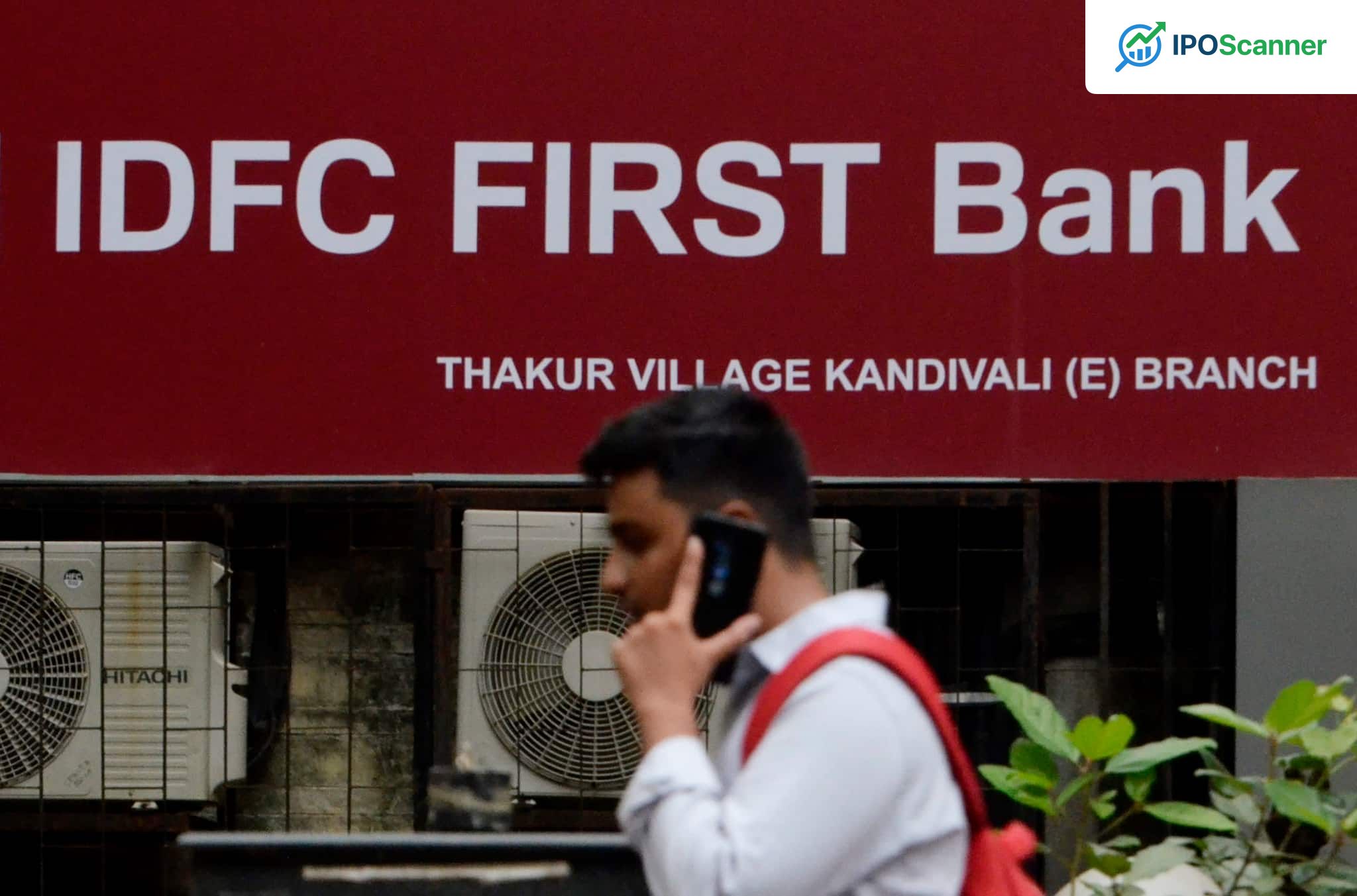
IDFC First Bank Reports 4.9% Rise in Net Profit to Rs 319 Crore in Q4, Sees Improvement in Asset Quality

Businesses to Benefit from Launch of New AI-Driven Financial Management Software

Finance Minister Sitharaman Urges Financial Sector to Enhance Cybersecurity Measures Amid Rising Concerns