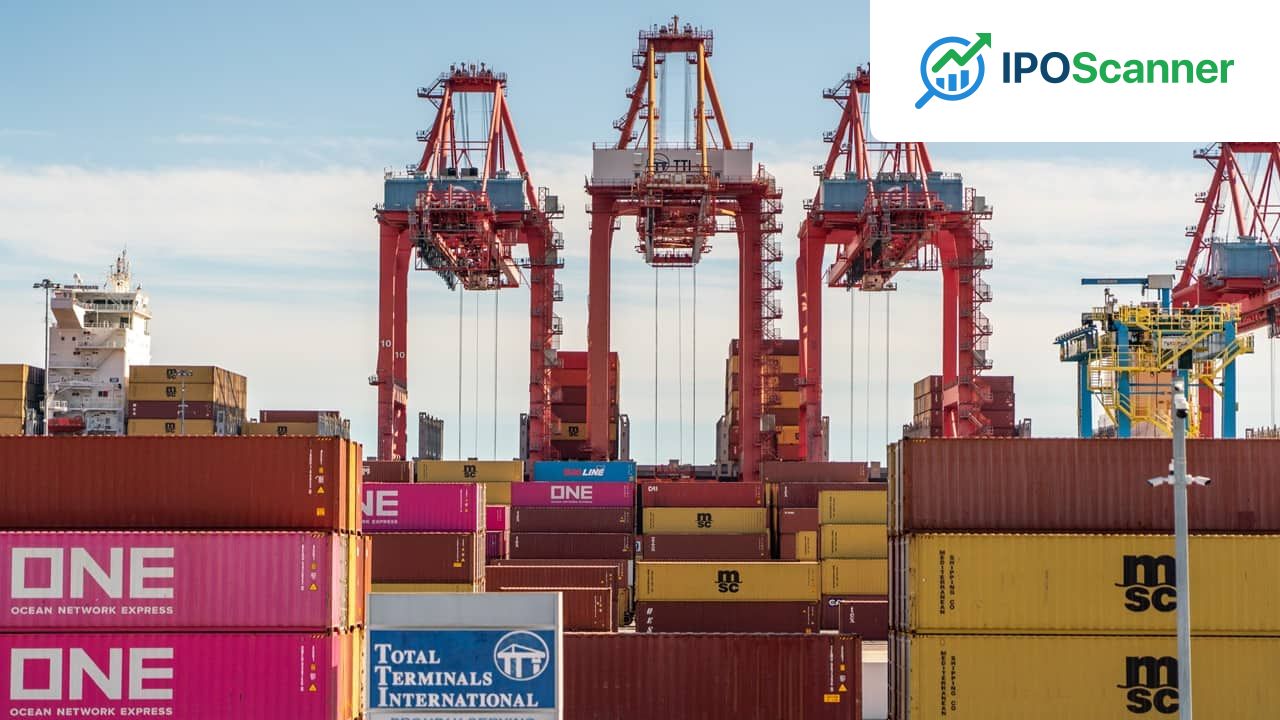
India, US to Commence Three-Day Trade Pact Discussions in Washington on April 20
Detailed Analysis
New US Tariffs Push India to Revisit Terms of Proposed Trade Pact
A group of about a dozen Indian officials will travel to Washington on April 20 for three-day talks with US authorities on the first phase of the proposed bilateral trade agreement (BTA). The discussions come amid a shifting tariff landscape in the United States, prompting both sides to reconsider the framework of the agreement, which was released on February 7.
The talks will take place from April 20-22 in Washington DC. Darpan Jain, India's chief negotiator and additional secretary in the department of commerce, will lead the Indian team. Officers from customs and external affairs ministry are also part of the Indian team.
Two unilateral investigations launched by the US Trade Representative (USTR) are also expected to be discussed during the deliberations. India has rejected allegations made in these probes under Section 301 of US trade law and has requested their termination, stating that the notices lack sufficient rationale.
Under the earlier framework, the US had agreed to reduce tariffs on India to 18 per cent from 50 per cent, removing an earlier 25 per cent tariff on Indian goods linked to purchases of Russian oil, and planning to reduce the remaining 25 per cent to 18 per cent.
| Tariff Reduction | India | US | | --- | --- | --- | | Initial Reduction | 50% to 18% | - | | Removal of Russian Oil Tariff | 25% | - | | Planned Reduction | 25% to 18% | - |
However, on February 20, the US Supreme Court ruled against President Donald Trump's reciprocal tariffs imposed under the 1977 International Emergency Economic Powers Act (IEEPA). Subsequently, the US imposed a uniform 10 per cent tariff on all countries for 150 days starting February 24.
In view of these changes, a meeting between chief negotiators scheduled for February was postponed, with talks now set for April 20 in Washington.
Under the framework, India had proposed eliminating or reducing tariffs on US industrial goods and a wide range of agricultural products, including dried distillers' grains (DDGs), red sorghum, tree nuts, fruits, soybean oil, wine and spirits, among others. India had also indicated plans to purchase USD 500 billion worth of US energy products, aircraft and parts, precious metals, technology products, and coking coal over the next five years.
Earlier, India enjoyed a comparative advantage over competitor countries under the proposed deal, but the uniform 10 per cent tariff has altered that dynamic, requiring changes to the agreement.
India's exports to the US grew marginally by 0.92 per cent to USD 87.3 billion in the last fiscal year, while imports rose 15.95 per cent to USD 52.9 billion. The trade surplus narrowed to USD 34.4 billion in 2025-26 from USD 40.89 billion in 2024-25.
More in Market
Air India to Upgrade Dreamliner Fleet in 2026, Retiring Eight Boeing 787-8 Aircraft

Trade Setup for April 20: Key Developments to Watch Ahead of the Open Amid Ongoing Tensions Over the Strait of Hormuz