India Bolsters Fuel Supplies Amid Escalating Iran-US Tensions
Detailed Analysis
India Boosts Efforts to Secure Alternative Energy Supplies Amid Escalating US-Iran Tensions
In the face of escalating tensions between the United States and Iran, India is taking proactive measures to ensure a stable supply of energy while maintaining adequate domestic availability. Senior government officials emphasized that fuel supplies remain stable, with contingency measures in place to mitigate any potential disruptions.
According to Sujata Sharma, Joint Secretary at the Ministry of Petroleum and Natural Gas (MoPNG), the supply of key fuels remains steady. The ministry has provided an additional 10% of commercial LPG to 21 states and union territories to promote the adoption of piped natural gas connections. This move is aimed at reducing dependence on traditional fuels and promoting a more sustainable energy mix.
Fuel availability remains unaffected, with retail petrol and diesel supply continuing to operate normally. There have been no reports of dry outs, indicating a smooth supply chain. Sharma also highlighted the allocation of petrochemical inputs, issuing orders for the production of c3 and c4 for certain departments. A total of 800 tonnes per day has been allocated for this purpose.
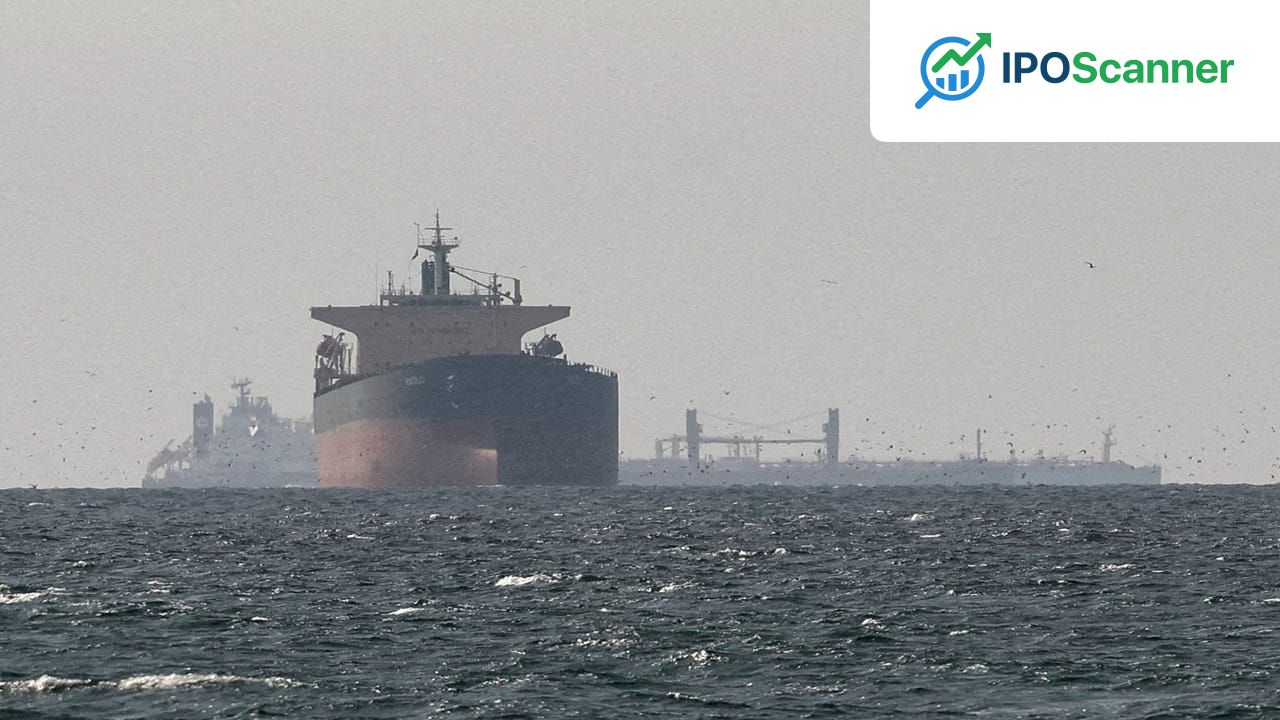
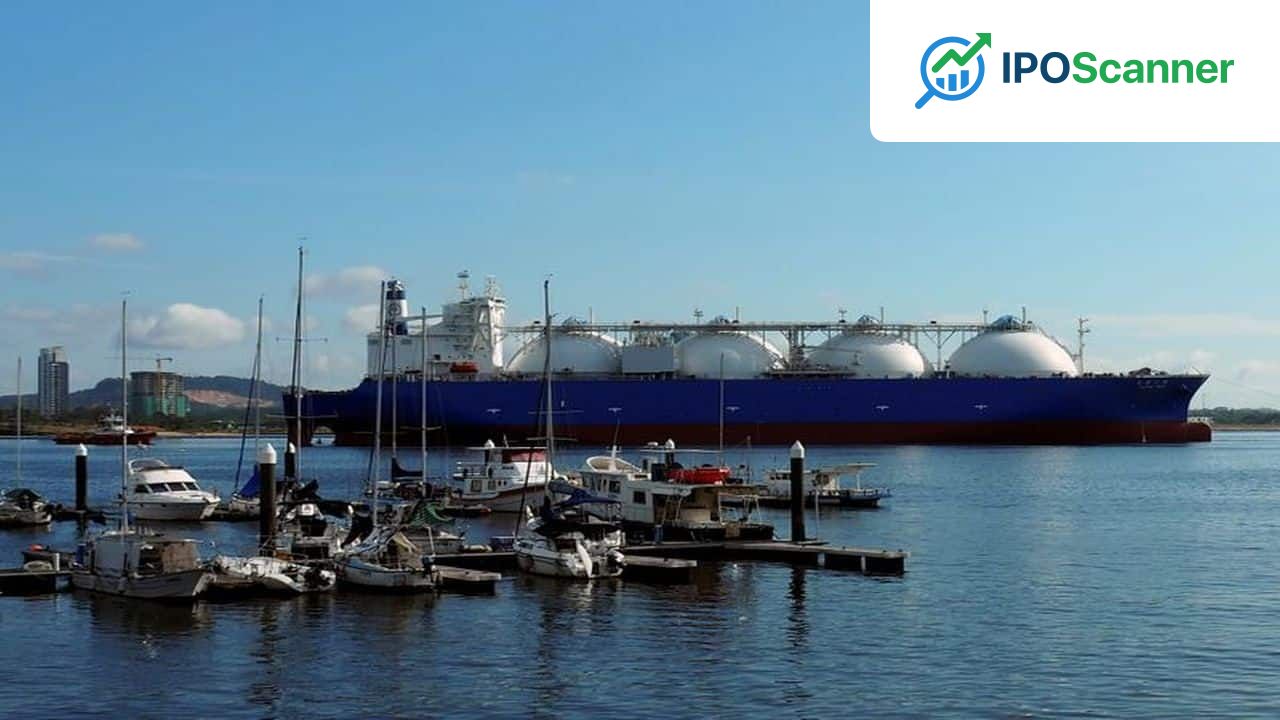
To ensure continued LPG supplies, the government is also exploring import options. An Indian flagged vessel, Jag Vikram, is expected to arrive at the Kandla port on April 14, carrying 20,400 metric tonnes of LPG.
India's energy sourcing strategy is focused on diversification, with a significant reduction in dependence on Gulf countries. Sharma noted that arrangements have already been made to secure crude oil supplies, while LNG imports remain stable. The government has also tied up LPG cargoes, enabling the maintenance of domestic supplies to consumers.
Domestic output remains stable, with LPG production standing at 45 TMT. Despite the shutdown of Nayara, the government has been able to maintain production levels. On the diplomatic front, India is engaging with Gulf nations to secure energy flows. The Petroleum Minister recently visited Qatar, while the Commerce Minister is speaking to several counterparts in Gulf countries to strengthen energy ties.
In related news, India has seen an increase in travel from the Gulf region to India, with 92,700 passengers traveling since February 28. A total of 100 flights are expected to run from the UAE to India today, while Bahrain airspace is open with limited flights expected to operate. Iraq airspace is also open, with Iraqi airlines having started flights to India yesterday.
Efforts are underway to ensure maritime stability, with a total of 15 Indian flagged vessels currently in the Persian Gulf. Meanwhile, the auto sector remains unaffected, with no serious shortage of LPG reported among automobile component manufacturers. In fact, there has been a 15-16% increase in vehicle production in March, thanks to schemes such as the e-drive and PLI auto initiatives.
| Sector | Production Increase | Notes | | --- | --- | --- | | Auto | 15-16% | Increase in vehicle production in March | | LPG | No serious shortage | Reported among automobile component manufacturers | | Petrochemicals | 800 tonnes per day | Allocation for c3 and c4 production |
| Country | Travel | Flights | Airspace Status | | --- | --- | --- | --- | | UAE | 100 | 100 | Open | | Bahrain | Limited | Limited | Open | | Iraq | 0 | 0 | Open |