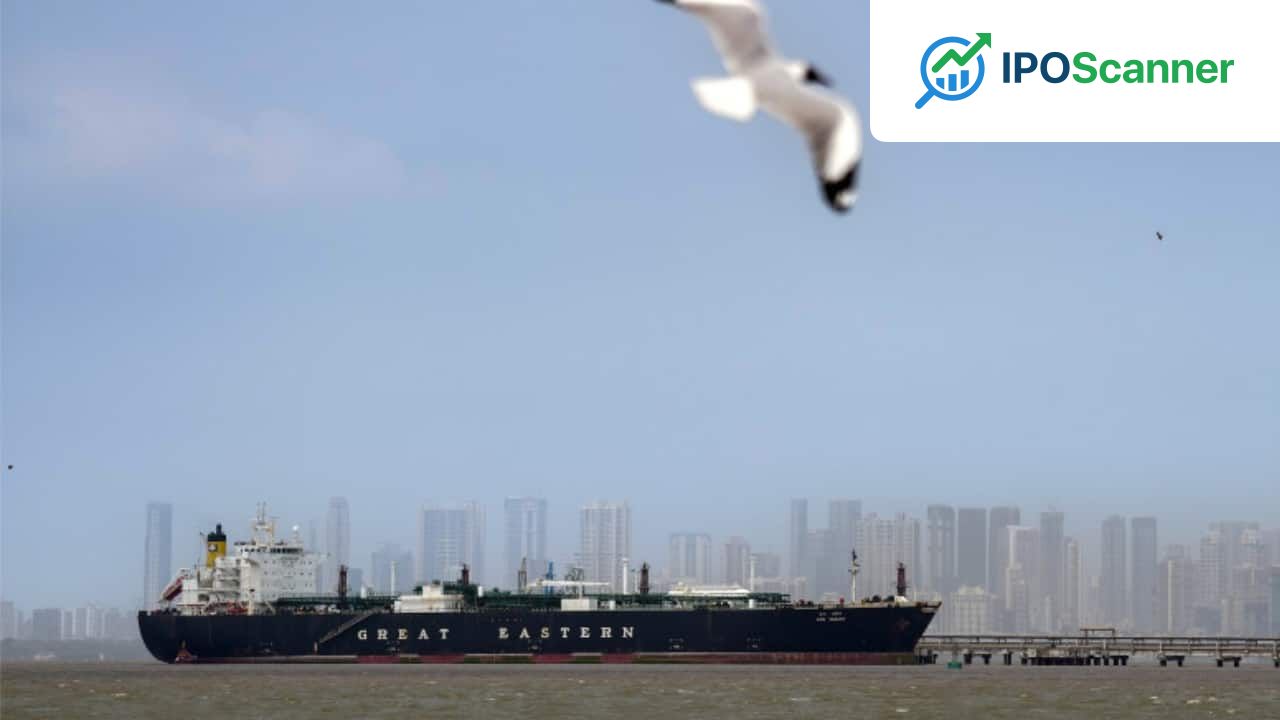
Hormuz Strait Shipping Activity Remains Extremely Low Amid Iran Naval Presence
Tensions in the Strait of Hormuz Persist as US Navy Blocks Iranian Oil Exports
The Strait of Hormuz, a crucial waterway for global oil trade, remains largely empty of merchant ships, with only a few Tehran-linked vessels moving through the waterway, following a tense week marked by Iranian gunboat attacks and tanker interceptions by the US Navy.
As of Saturday morning, observable traffic in the Strait of Hormuz was down to only two small fuel carriers and one tiny coastal cargo ship, all with ties to Tehran, leaving the Persian Gulf through the waterway. According to vessel-tracking data compiled by Bloomberg, no ships were observed on their way in. This represents a significant decline in traffic, highlighting the growing difficulties for the Islamic Republic's exports.
While Iran continues to fill supertankers with millions of barrels, the US Navy has stalled several of them near the maritime border with Pakistan before they can leave the Gulf of Oman into the Arabian Sea, creating a bottleneck. This development underscores the challenges facing Iran's oil exports.
Read also: Hormuz Crisis Deemed Largest Energy Disruption in History by S&P Analyst Yergin
The tensions escalated this week as Iran demonstrated its tight grip over Hormuz and the US maintained its naval blockade. Diplomatic efforts to get both sides to negotiate a peace deal have proven elusive. Iranian Foreign Minister Abbas Araghchi arrived in Pakistan ahead of the arrival of US envoys, but prospects remain slim for direct talks to end the conflict that has upended global energy markets.
The US has added to its pressure by sanctioning Hengli Petrochemical (Dalian) Refinery Co., one of China's largest private oil refiners, citing its purchases from Iran. This move reflects a broader push to isolate buyers of Iranian oil. China has been the top importer.
| Vessel Type | Number of Vessels | Traffic Flow |
|---|---|---|
| Tehran-linked ships | 3 | Leaving the Persian Gulf |
| US Navy ships | N/A | Blocking Iranian oil exports |
| Iranian ships | N/A | Intercepted by US Navy |
The US blockade may encourage Iran-linked ships entering or leaving the Persian Gulf to switch off their tracking signals to avoid detection, making it harder to get an accurate picture of traffic through the waterway. This means transit figures may sometimes be revised higher when vessels reappear far away from the riskiest waters.
Read also: Government Releases Detailed Guidelines for Second Tranche of Fund of Funds Scheme for Startups
It was common, even before the US imposed its latest restrictions, for Iran-linked ships to stop sending signals as they headed into the Strait of Hormuz to exit the Persian Gulf. They generally didn't enable them again until well into the Strait of Malacca in South East Asia, about 13 days sailing from Iran's Kharg Island.
Investor Takeaway
Global oil prices may be affected by the ongoing tensions in the Strait of Hormuz.
More in Economy

Hormuz Crisis Deemed Largest Energy Disruption in History by S&P Analyst Yergin

Government Releases Detailed Guidelines for Second Tranche of Fund of Funds Scheme for Startups

Businesses to Benefit from Launch of New AI-Driven Financial Management Software